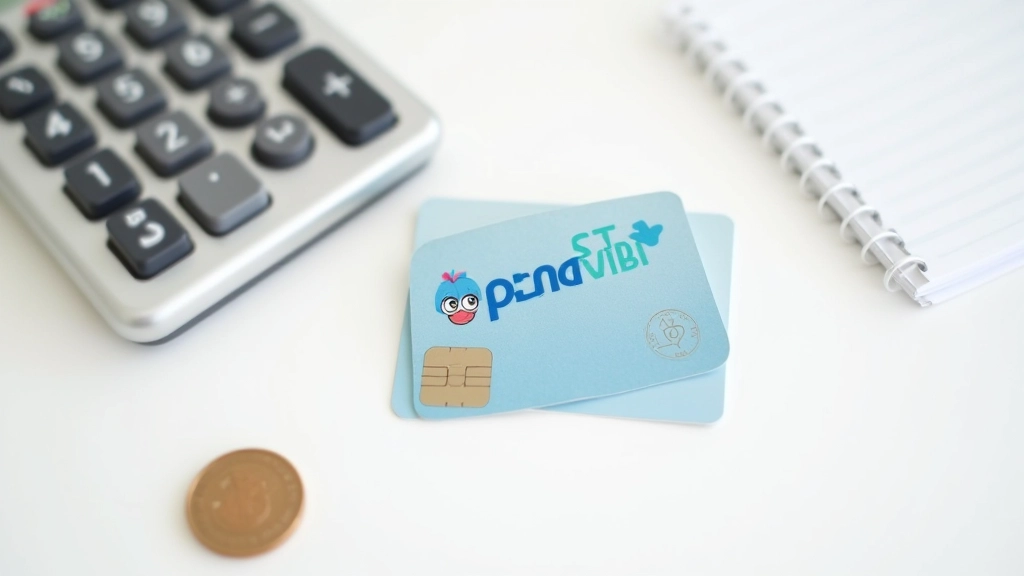
Octopus Card Spending Awareness and Budgeting
Track daily expenses with your Octopus card and develop realistic spending awareness for better budget control.
Read ArticleStep-by-step approach for building your first cash reserve, no matter your current salary or savings experience.

An emergency fund isn’t about being pessimistic. It’s about being realistic. Life throws unexpected expenses your way — a medical bill, car repair, or job loss. Most people don’t have savings to cover these moments, which is why they end up in debt.
The good news? You don’t need a massive amount to start. We’re not talking about saving six months of expenses on day one. You’re building this gradually, month by month, until you’ve got a real safety net.
Most financial experts suggest keeping 3-6 months of living expenses saved. But we’ll start smaller — even $1,000 makes a real difference.

Building an emergency fund doesn’t require a complicated plan. Here’s what actually works:
Don’t use your everyday checking account. Open a dedicated savings account — ideally at a different bank. You want something slightly inconvenient to access, so you’re not tempted to dip into it for non-emergencies. Hong Kong banks offer high-interest savings accounts that’ll earn you a small return while you build.
Spend one month just writing down what you actually spend. Coffee, groceries, rent, utilities, transport — everything. Don’t change your habits yet. You’re establishing your baseline so you know what “one month of expenses” actually means for you. Most people are surprised by the real number.
This is the secret that actually works. Don’t rely on willpower. Set up an automatic transfer from your paycheck to your emergency fund — even if it’s just HK$200 per month. On payday, it happens automatically. You won’t miss money you never see in your checking account.
Hit $500? You’re already doing better than most people. Reach $1,000? That’s a genuine achievement. These milestones matter. They prove the system works and keep you motivated to keep going. It’s not boring — it’s actually proof you’re getting your financial life in order.


The most common excuse? “I can’t afford to save.” Here’s the reality: You don’t need to save a lot. You just need to save consistently.
If you earn HK$20,000 monthly, even HK$500 per month gets you to $1,000 in two months. That’s 2.5% of your income. It’s not nothing, but it’s also not impossible. You’re probably spending more than that on food delivery or subscriptions you don’t use.
Don’t have HK$500? Start with HK$100. Seriously. HK$100 per month is still HK$1,200 per year. That’s your emergency fund starting point. The amount matters less than the habit. Once you prove to yourself that you can save consistently, increasing it gets easier.
When you get paid, transfer money to your emergency fund FIRST. Then budget the rest. Most people do it backwards — they spend what they want and save what’s left, which is usually nothing. Flip that order and you’ll actually build savings.
Start your emergency fund anyway — but keep it small. You’re not aiming for six months yet. Get HK$1,000-2,000 set aside while you work on paying down high-interest debt. Why? Because a medical emergency or car repair will force you to take on MORE debt if you’ve got zero savings. A small emergency fund protects you from getting worse off.
Medical bills, urgent repairs, temporary job loss — yes. Vacation, new phone, holiday gifts — no. This is why the separate account matters. You’re not supposed to touch it unless something actually breaks or goes wrong. That’s the entire point.
Life happens. You’ll probably dip into it at some point — that’s what it’s there for. When you do, immediately restart saving. Don’t wait until you’ve rebuilt the full amount before moving forward. Rebuild as you go. The goal isn’t perfection, it’s progress.

This guide is educational material designed to help you understand emergency fund principles and basic financial planning. It’s not personalized financial advice. Your situation is unique — your income, expenses, debts, and family circumstances are different from everyone else’s. Before making significant financial decisions, especially regarding debt, investment, or major changes to your savings strategy, consider consulting with a qualified financial advisor or certified financial planner who understands your complete financial picture. The strategies described here are general best practices, not recommendations for your specific situation.
You don’t need to have everything figured out. You don’t need a perfect plan. You just need to open an account and transfer something into it this month. HK$100, HK$500, HK$1,000 — whatever you can manage. That’s your emergency fund starting.
The people who succeed with this aren’t the ones with higher incomes. They’re the ones who actually start. The ones who set up automatic transfers and forget about it. The ones who celebrate when they hit $500, then $1,000, then more.
Financial stability isn’t about being rich. It’s about being prepared. And preparation starts with putting money away before you need it. You’ve got this.